Why the lot next door
may not be worth the same
By Justin Kelly
NJ Real Estate Broker-Salesperson
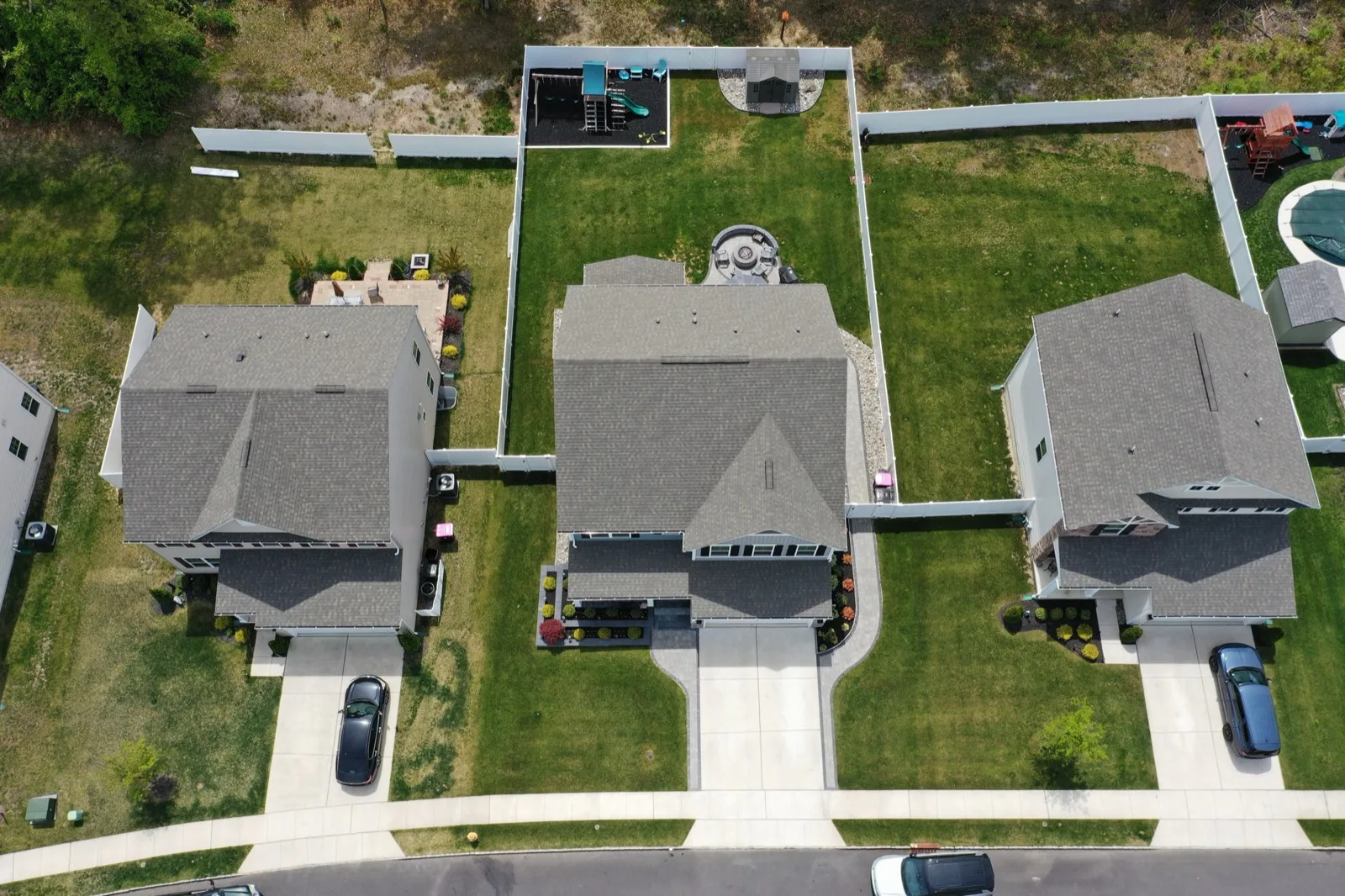
Two lots on the same road can price apart, and the reasons are usually not visible from the road. Here is what a buyer reads off the ground before an offer, and why a neighbor's number is a poor guide to your own.
At a glance
- What fits on a lot is decided by its width, its depth and the town's setbacks, and that is checked before anything else about the ground
- Sewer service areas are drawn lot by lot in a county plan, so one side of a street can be inside one and the other side outside it
- Where there is no sewer the soil sizes the system, and it has to be tested on that lot rather than on the street
Guide
What a lot is worth turns on what can be built on it, and that comes from the lot itself, not from the lot next door.
The first thing looked at is the shape of the lot itself. Width, depth and the town's setbacks decide together which house plans fit, and that is checked before anything else. On an acre or more in a township like Elk or Pittsgrove most plans fit comfortably. On a narrow lot in Deptford or Glassboro the choice narrows quickly, and a plan that will not fit is not a plan a buyer can price.
Then there is the question of sewer. Sewer service areas are not drawn along roads. They are delineated lot by lot in a county wastewater management plan, so two properties facing each other across a street can sit on opposite sides of that line. Which side of that line a lot sits on usually decides whether it can use public sewer or needs a septic system instead.
Where there is no sewer, the septic system is sized by how the soil on that lot drains, and the state rules require the testing to happen at the site of the proposed disposal field, not somewhere nearby. That is why the answer belongs to your lot specifically. Our own land form lists three utility setups: public water and sewer, public water with septic, or a well and septic.
Last, it matters what the town has already approved. If the town has already approved splitting the lot, a buyer values it with that approval in place. If not, the buyer works that out while checking the land before closing. That is often the largest single difference between two pieces of ground that look identical from the road.
Two lots that match on every point above can still price apart on access, frontage, an easement, or whether a buyer already has land nearby under contract.
Lots vary; this is what usually moves the number, not a valuation of any specific property. Written by Justin Kelly, NJ Real Estate Broker-Salesperson. More at South Jersey New Construction.
Our take
Two lots on one road can differ on what can be built, sewer and utilities, so a neighbor's number is a poor guide to your own. If you own a lot in South Jersey, we can tell you where yours stands.